
The 2026 WFEO Hackathon was concluded successfully on 4th March 2026 at Balai Kartini in Jakarta as part of the World Engineering Day celebrations held annually.
This international event focuses on young people engaging young engineers and engineering students from every continent around the world in what is now the largest international competition for young engineering students.
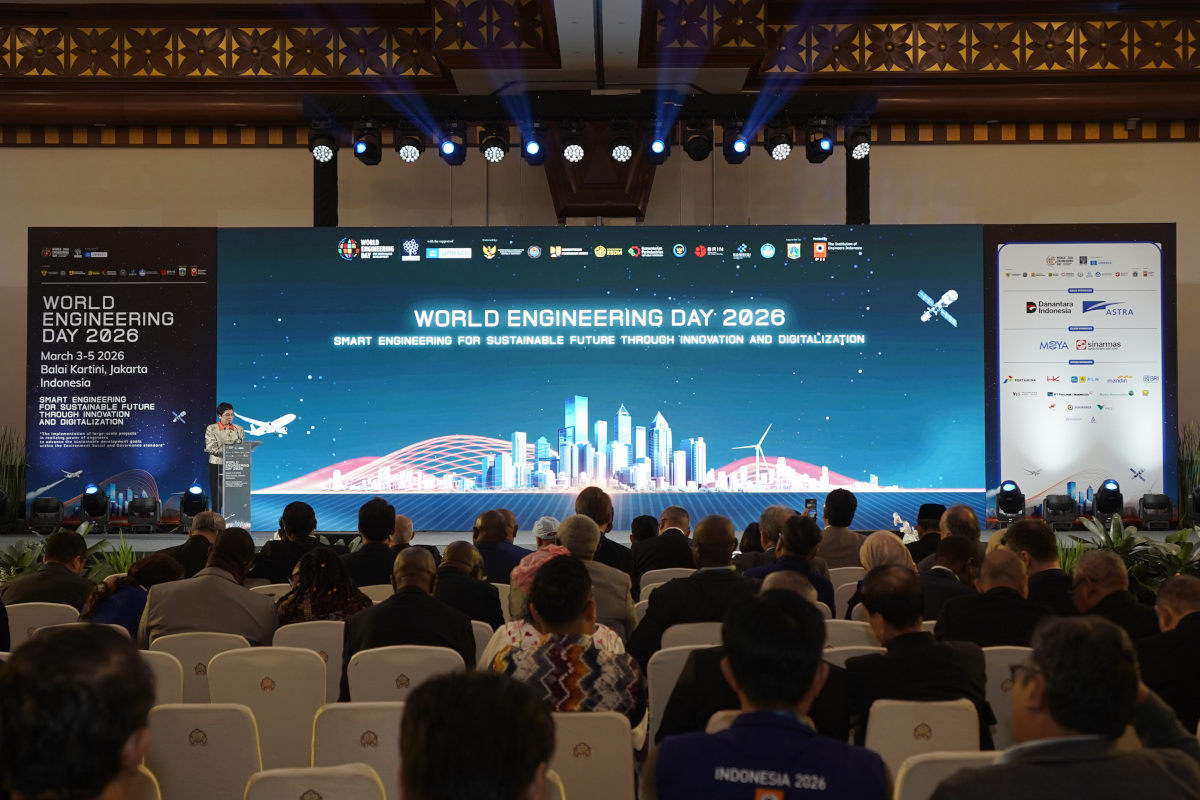
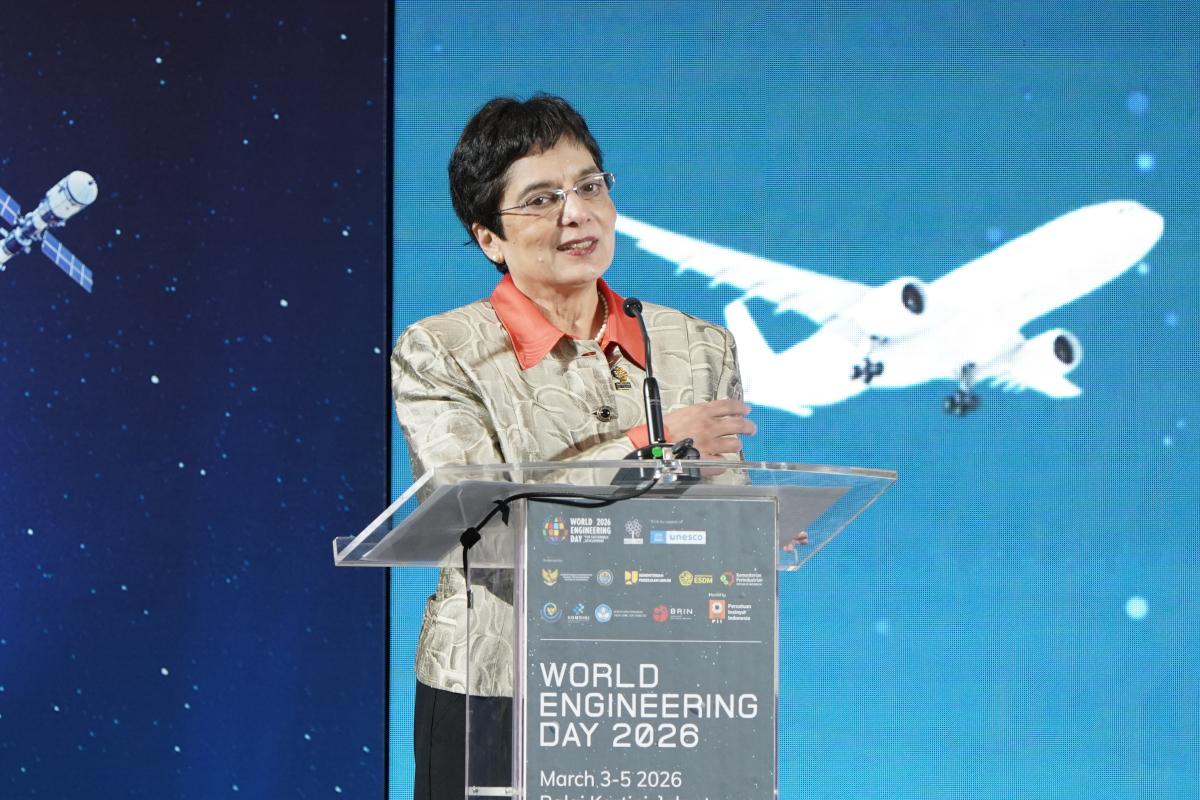
Marlene Kanga, WFEO Past President, presenting the 2026 WFEO Hackathon Winners
The theme of the WFEO Hackathon aligns with the UN Sustainable Development Goals (SDGs). In 2026, the Hackathon aligned with the theme for the 2026 World Engineering Day “Smart engineering for a sustainable future through innovation and digitalisation” – with a focus on UN SDG 9: Industry, Innovation, and Infrastructure. The WFEO Hackathon challenged teams to demonstrate how engineering and digital technologies can build resilient infrastructure, promote inclusive and sustainable industrialisation, and foster innovation that benefits both people and the planet.
WFEO Hackathon teams had to also choose one of three challenges and develop an innovative engineering solution. These were:
- Circular Innovation – Reimagine how we produce, use, and reuse resources.
- Resilient Cities – Design smarter urban systems for a liveable future.
- Blue and Green Planet – Solutions that restore, regenerate and protect life on land and below water.
The winner of the 2026 WFEO Hackathon is “Think³: Smart Adaptive Streetlight System for Extreme Heat Resilience in the UAE” from the American University of Sharjah – United Arab Emirates, with team members Laiba Maqbool, Ayush Agrawal, and Mohamed Umar Sahul Hameed.
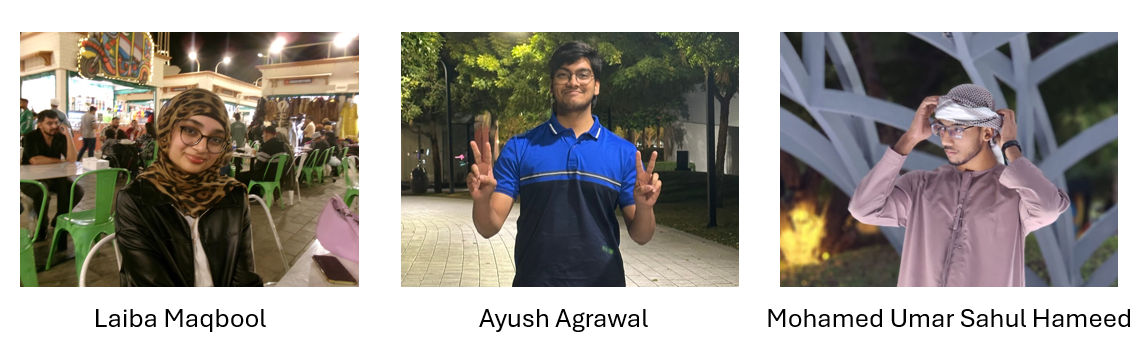
Members of the winning team Think³
They tackled the Challenge – Sustainable Cities, addressing the significant inefficiencies in urban energy systems in streetlighting networks. They propose a redesign of streetlights as intelligent, renewable-powered, energy-storage and sensing nodes that reduce peak cooling-related electricity demand while improving sustainability.
The judges felt that this team made good use of engineering skills and digital tools to demonstrate the feasibility of their solution. It was great to also see a gender diverse team develop this solution. The solution addressed SDG 7 (Affordable and Clean Energy), SDG 9 (Industry, Innovation, and Infrastructure), SDG 11 (Sustainable Cities) and SDG 13 (Climate Action).
The 2nd place of the 2026 WFEO Hackathon is the team “Echo Logic: Acoustic pest defence and bio stimulant”, from the Technological Institute of the Philippines, tackling Challenge: Blue and Green Planet. Congratulations to team members Gabriel Cabrera, Angelo Base & Christian Bondoc.
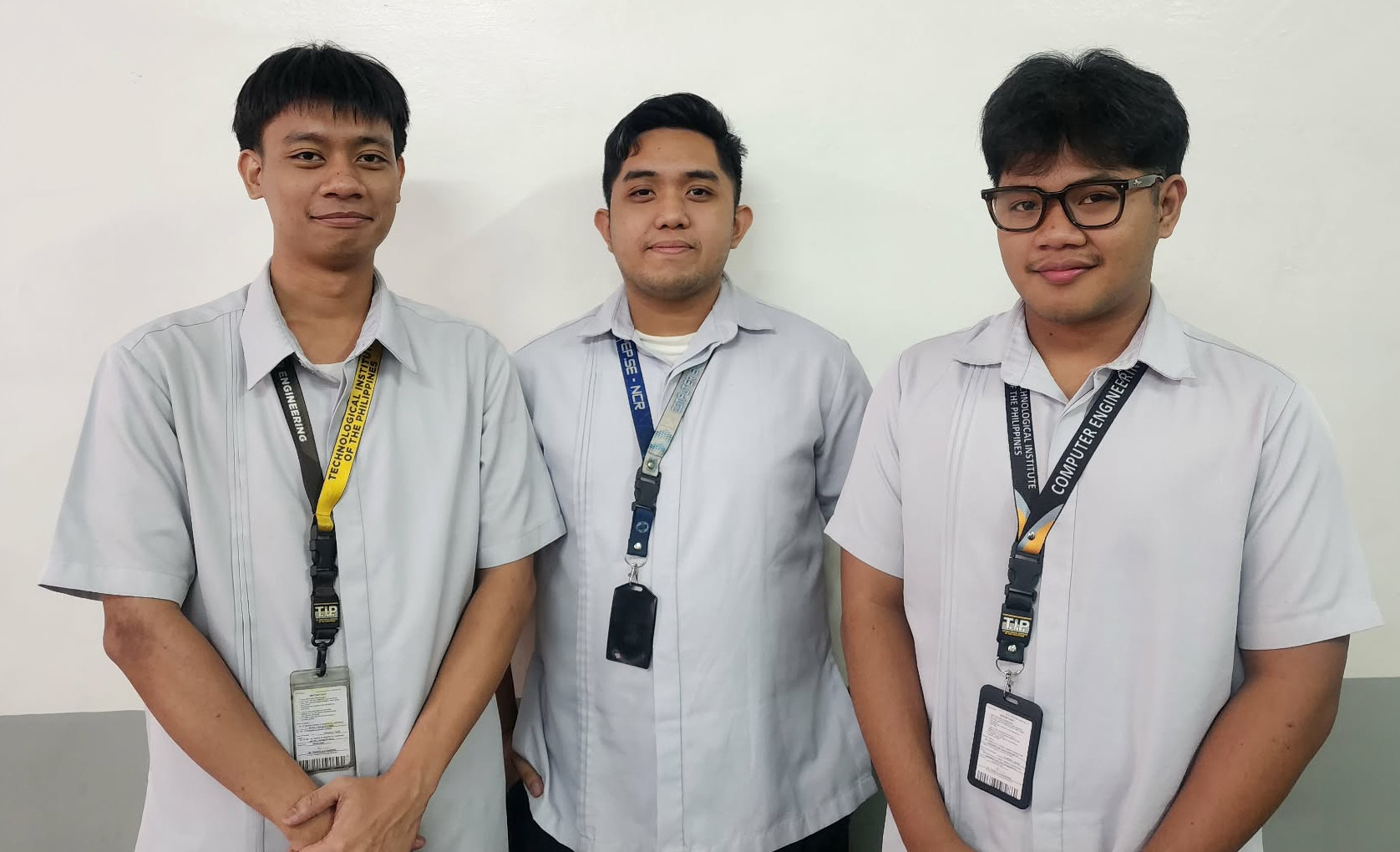
Members of the winning team Echo Logic – 2nd place
This team of computer engineers developed EcoEcho, an acoustic-based agricultural intervention. The autonomous solar powered device, emits ultrasonic frequencies that “jam” the communication of pests like leafhoppers, reducing their presence by up to 100%, eliminating the need for pesticides and protecting the environment from toxic runoff and stimulating plant growth. The solution addresses SDG 2 (no hunger), SDG 12 (circular economy) and SDG 14 (life on land) and SDG 15 (Life on water) – by reducing the use of pesticides and increasing food production.
The judges thought that this solution demonstrated knowledge of computer engineering and agricultural science, with great teamwork and practical demonstration of the solution.
In 3rd place: the team “Algaboard” from Ewha Woman’s University, Mechanical & Biomedical Engineering, South Korea. They tackled the Challenge – Circular Innovation, converting seaweed, a marine resource, into construction materials, redefining it as a circular resource and creating industrial opportunities for coastal regions.
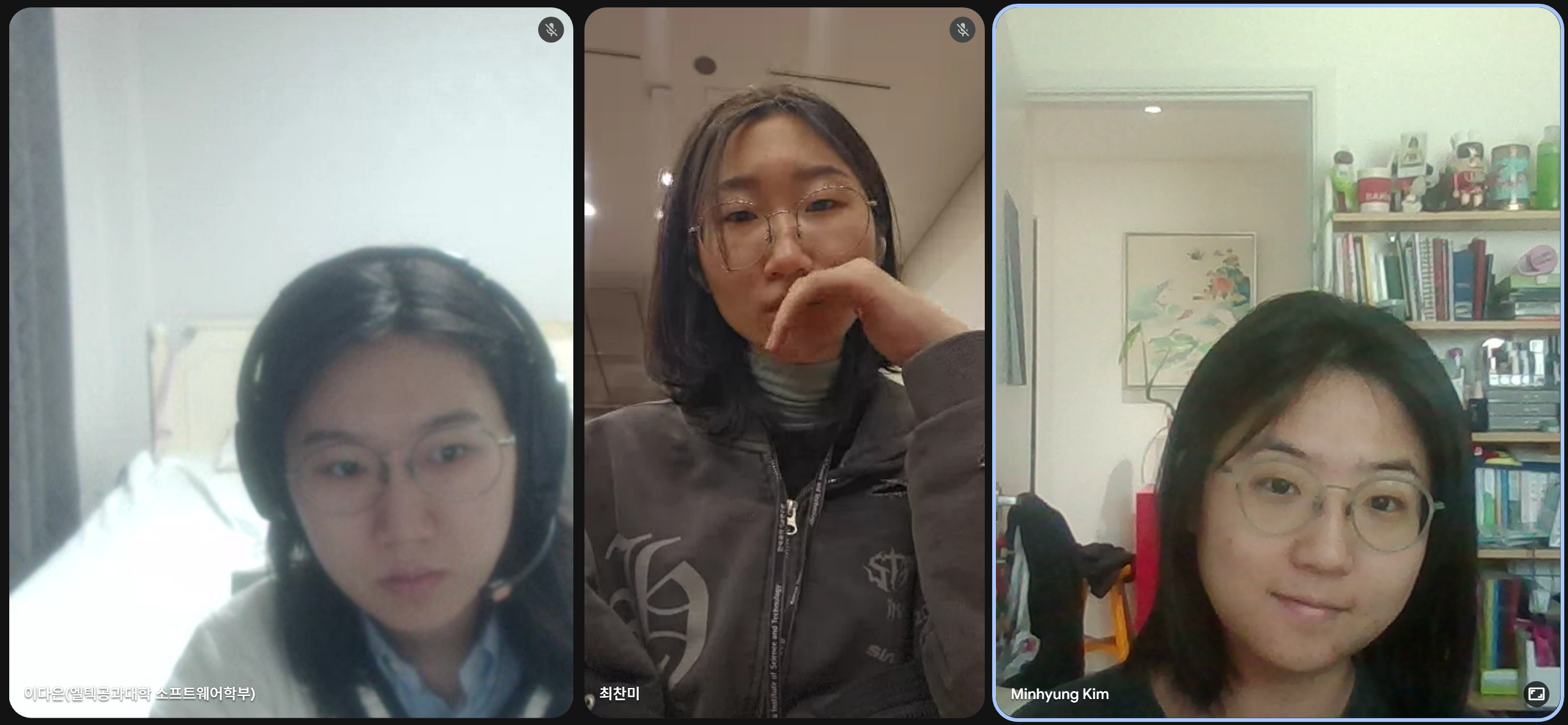
Members of the winning team Algaboard – 3rd place
The team from South Korea, addressed the issue of waste produced in the aqua culture process, which is disposed of into the sea, developing an engineered system that produces construction materials (boards, panels, etc.) from seaweed waste, supporting economies in coastal regions. Congratulations to team members: Minhyung Kim, Daeun Lee & Chanmi Choi, all future women engineers, on an excellent entry.
The judges thought this entry demonstrated the team’s engineering skills in systematically investigating the properties of seaweed that would make it suitable as a building material, developing the manufacturing process and using digitalisation to optimise the process. They collaborated well to develop the idea, demonstrate the feasibility of the solution and how it would clean polluted waters and create jobs, addressing UN SDGs SDG 11 (Sustainable Cities and Communities), SDG 12 (Responsible Consumption and Production) and SDG 8 (Decent Work and Economic Growth), among other SDGs.
In 2026, a Highly Commended recognition was provided to “Sentinel Innovators – from Chinhoyi University of Technology and Masvingo Polytech – Zimbabwe.
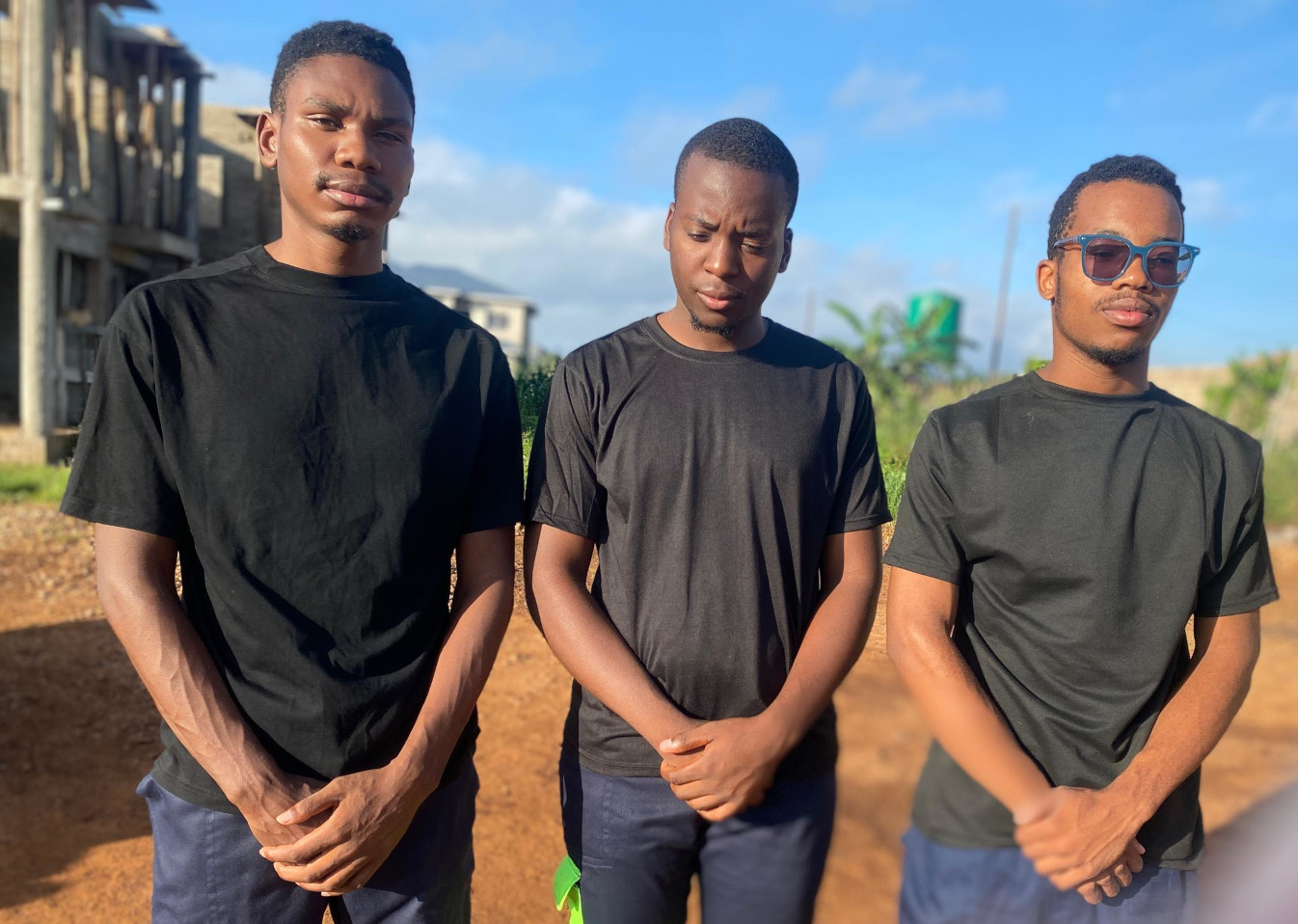
Members of the winning team Sentinel Innovators – Highly Commended
They tackled Challenge – Resilient Cities, developing a sustainable, chemical-free agricultural solution that addresses the urgent need for food security in farming, developing “RoboSoil ZW”, an autonomous, solar-powered mobile soil testing robot designed to provide real-time, in-field soil health analysis and moisture prediction for smallholder farmers.
In addition to SDG 9 (Innovation), it strongly supports SDG 12 (Responsible Consumption and Production) by reducing fertilizer use, and SDG 14 (Life Below Water) and SDG 15 (Life on Land). Congratulations to team members: Mupa Shepherd, Brighton Mutiwasekwa and Leeroy Maphosa.
The judges thought this entry demonstrated the team’s electrical/electronic engineering skills combined with knowledge of using robotics devices to develop a system that can improve the productivity of farmers.
The judging criteria for the WFEO Hackathon are based on the International Engineering Alliance Graduate Attributes and Professional Competencies and enabled participating young engineers and engineering students to demonstrate their abilities to produce sustainable solutions and outcomes in alignment with these Graduate Attributes.
The winners were chosen form the top 11 Finalists who, listed in alphabetical order, were:
- AeroMax from Batangas State University, the Phillippines
- Algaboard from Ewha Womans University. South Korea
- Digital Guardians Of The Bio-Frontier from SRM Institute of Science and Technology, India
- GreenCore Sustainable Data Center from Shanghai Jiao Tong University
- MethanoGenZ from Batangas State University. Phillippines
- Microguard from King Mongkut’s Institute of Technology Ladkrabang
- Project Ionyx Batangas State University, the Philippines
- Sentinel Innovators from Chinhoyi University Of Technology and Masvingo Polytech, Zimbabwe
- Team Echo Logic from Technological Institute of the Philippines
- Team Urban LPG from Strathmore University, Kenya
- Think³ from American University of Sharjah, United Arab Emirates
A combined video presentation of all finalists is available below
The 2026 WFEO Hackathon received over 3000 individual registrations and more than 270 team entries from more than 20 countries around the world and from every continent – Africa, Asia, Europe, Middle East and the Americas. The prize pool was 1st place, €4,000; 2nd place €2,000 and 3rd place €1,000.
Our thanks to the 2026 WFEO Hackathon Working Group comprised Chair, Mr Firas Bou Diab, WFEO Executive Vice President; President Elect Dr Guna Gunalan; Mr Youslan Nur, Head of Engineering and Innovation Programme, UNESCO; Ms Katie Creswell-Maynard, International Director Engineers Without Borders; Dr Marlene Kanga, WFEO Past President; Dr Moez Chakchouk, WFEO Executive Director and the WFEO Secretariat.
The preliminary judging panel consisted of over 70 volunteers from around the globe, who dedicated their time and expertise to evaluate the submissions and our finalist judges – a great effort for our international competition. All judges have been acknowledged on the World Engineering Day 2026 WFEO Hackathon webpage. All participants are acknowledged with a certificate of participation from WFEO.
Sincere thanks to the volunteers from around the world who participated and contributed to this important project and congratulations to all the teams who made submissions, and to the winners.
Article contributed by Dr Marlene Kanga, Former WFEO President (2017-2019).
For more information:
2026 WFEO Hackathon Winners from Africa
World Engineering Day main event website
MAR
2026