
Background
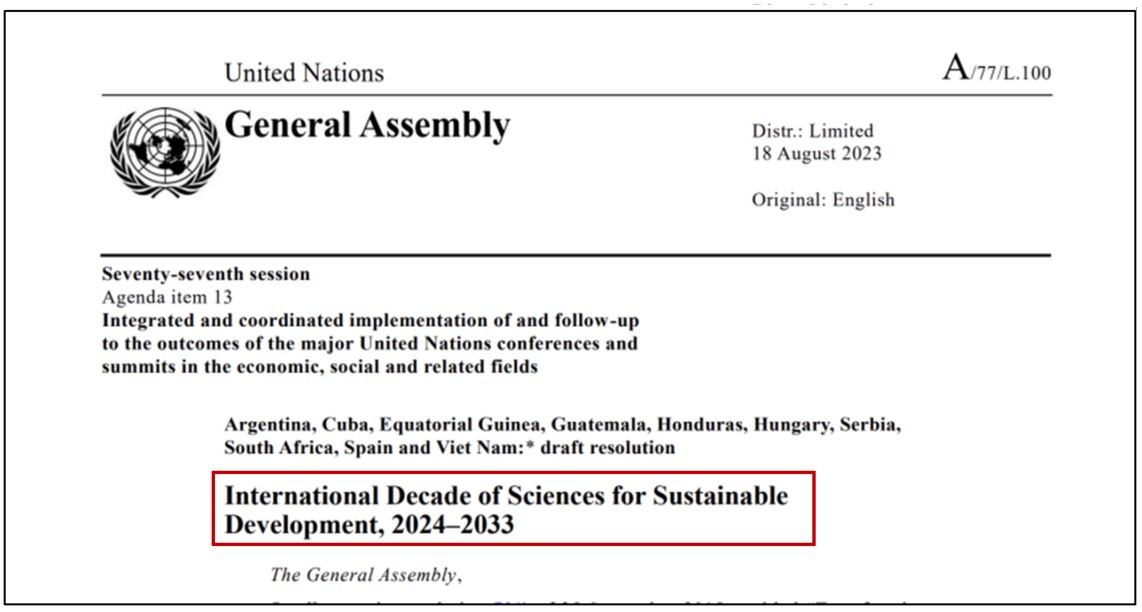
Africa faces significant challenges in achieving the Sustainable Development Goals (SDGs), with less than 6% of measurable targets on track as of 2023. The United Nations General Assembly (UNGA) declared 2024–2033 as the International Decade of Sciences for Sustainable Development (IDSSD), emphasizing the importance of capacity-building in bridging global development gaps, with a priority attention to Africa.
In 2024, further UNGA resolutions highlighted the role of artificial intelligence (AI) in sustainable development and called for enhanced international cooperation in AI capacity-building.
These priorities are also reflected in the Pact for the Future and the Global Digital Compact, reaffirming the global commitment to digital inclusion and technological empowerment.
Establishment of ECBAP
WFEO recognized that building engineering capacity is critical for Africa to achieve both the African Union’s Agenda 2063 and the United Nations’ 2030 Agenda for Sustainable Development.
In response, under the leadership of the President, Eng. Mustafa Shehu, and supported by the Chair of WFEO Capacity Building Committee (WFEO CECB), Eng. Martin Manuhwa, led by Professor Gong Ke, Chair of the Special Task Force for Engineering Capacity building for Africa Programme, WFEO proposed the Engineering Capacity Building for Africa Programme (ECBAP), designed as a 10-year initiative to strengthen the continent’s engineering ecosystem, specifically to enhance capacity in engineering education, continuous professional development and technology transfer.
The programme was then developed based on a feasibility study that referenced over 50 UN documents and best practices from international engineering organizations.
It adopts a strategic model of “Digital + Engineering”, with three thematic entry points: energy transition, infrastructure (focusing on water), and agriculture (with an emphasis on food security).
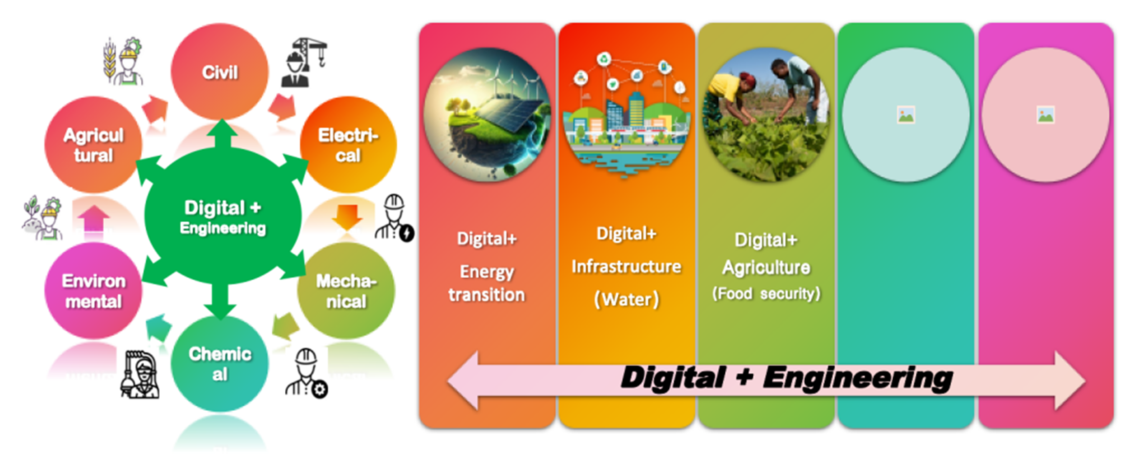
ECBAP focusing on “Digital + Engineering”
Governance and Steering Committee
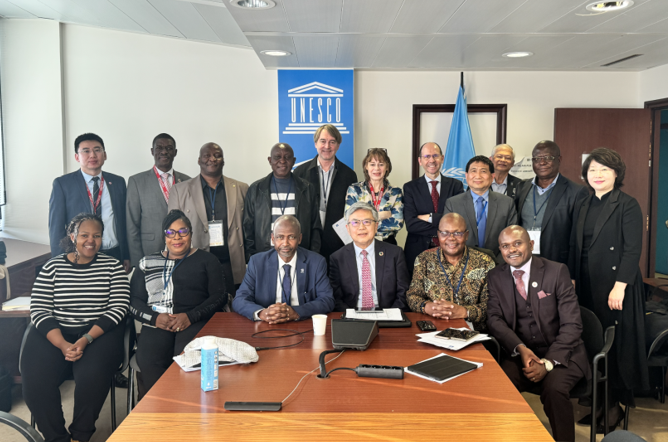
On 5 March 2025, the first ECBAP Steering Committee meeting was held at UNESCO Headquarters in Paris, on the occasion of World Engineering Day for Sustainable Development.
Representatives from WFEO, UNESCO, CAST, UNIDO, UNDESA, AAS, FAEO, and national engineering institutions from Kenya, South Africa, Nigeria, Ethiopia, and Zambia participated. The Concept Note and Terms of Reference (ToR) were unanimously approved.
Pilot Training Programme
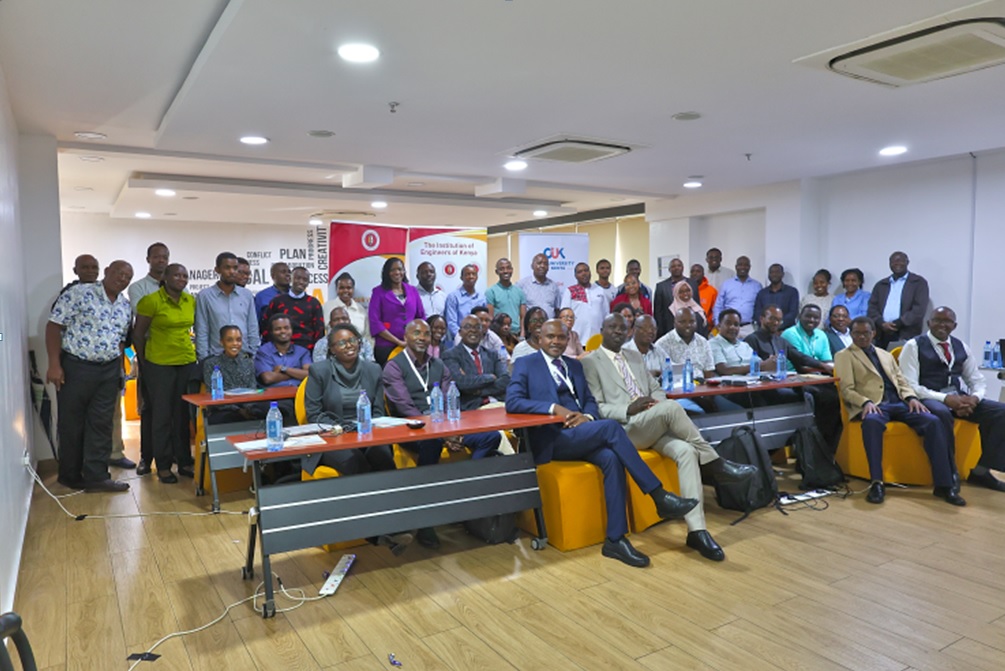
From 10 to 14 March 2025, ECBAP conducted its first pilot training in Nairobi, Kenya, in partnership with the Institution of Engineers Kenya (IEK). Themed “AI for Engineers,” the 5-day intensive course welcomed 46 selected participants and was met with enthusiastic engagement.
Official Launch of the Programme
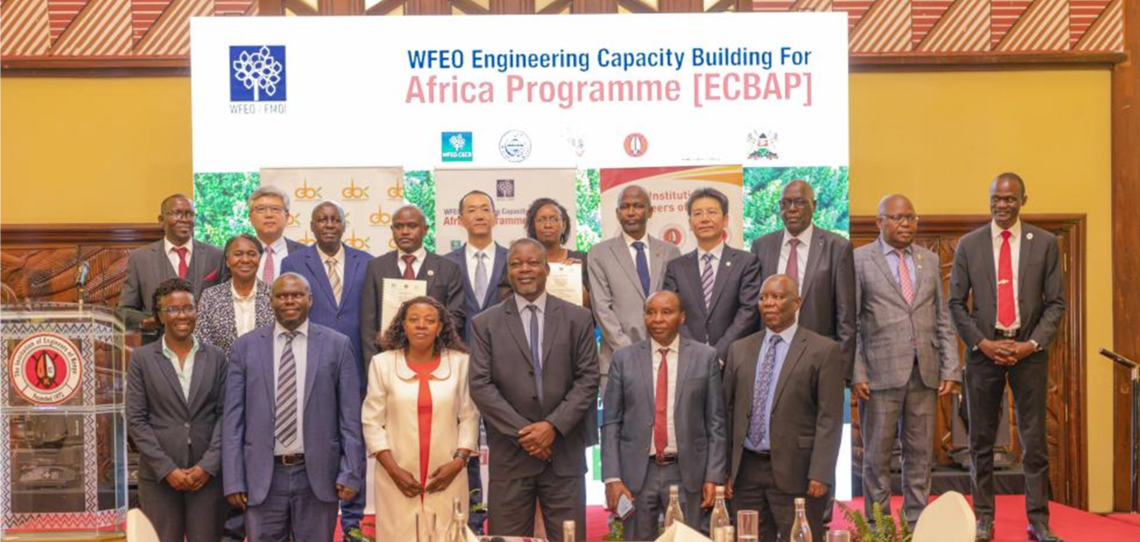
On 17 March 2025, ECBAP was officially launched in Nairobi through a joint effort by WFEO, CAST, IEK, and the Engineers Board of Kenya (EBK). The event brought together nearly 200 representatives from government, academia, industry, and international organizations. Engineering bodies from Somalia and the Democratic Republic of the Congo sent messages of support.
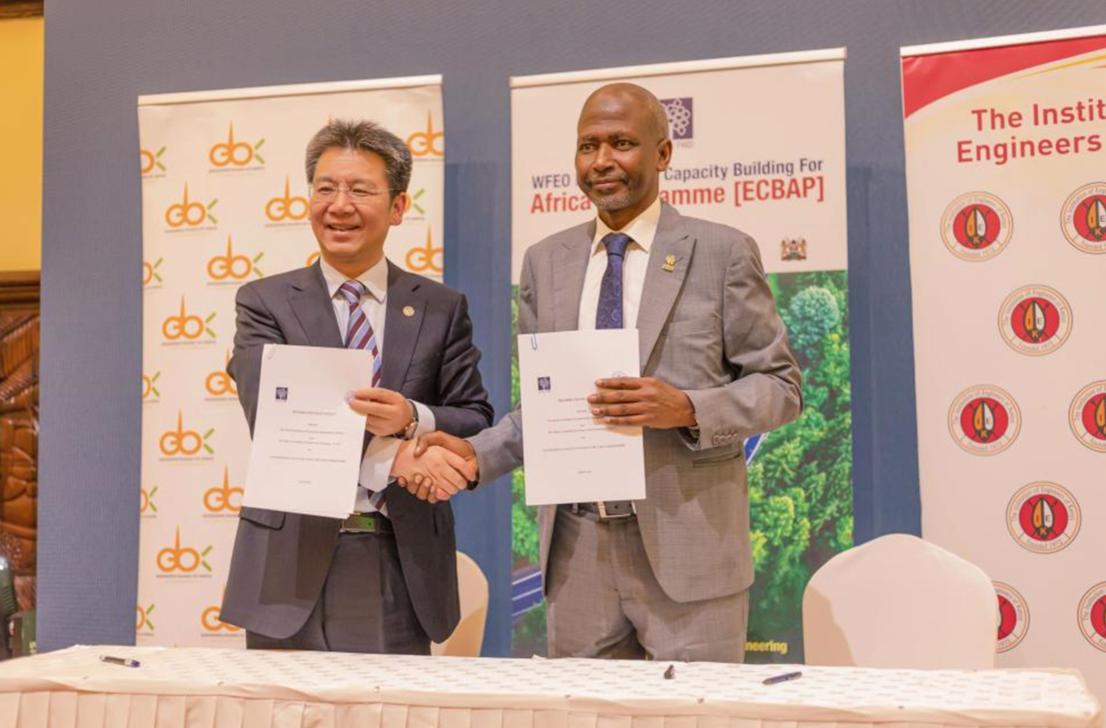
During the event, WFEO and CAST have formally signed a Memorandum of Intent on ECBAP. The initial funding for the programme will be provided by the China Association for Science and Technology (CAST) to support ECBAP International Programme Office (IPO) as a secretariat.
Follow-up on the Programme
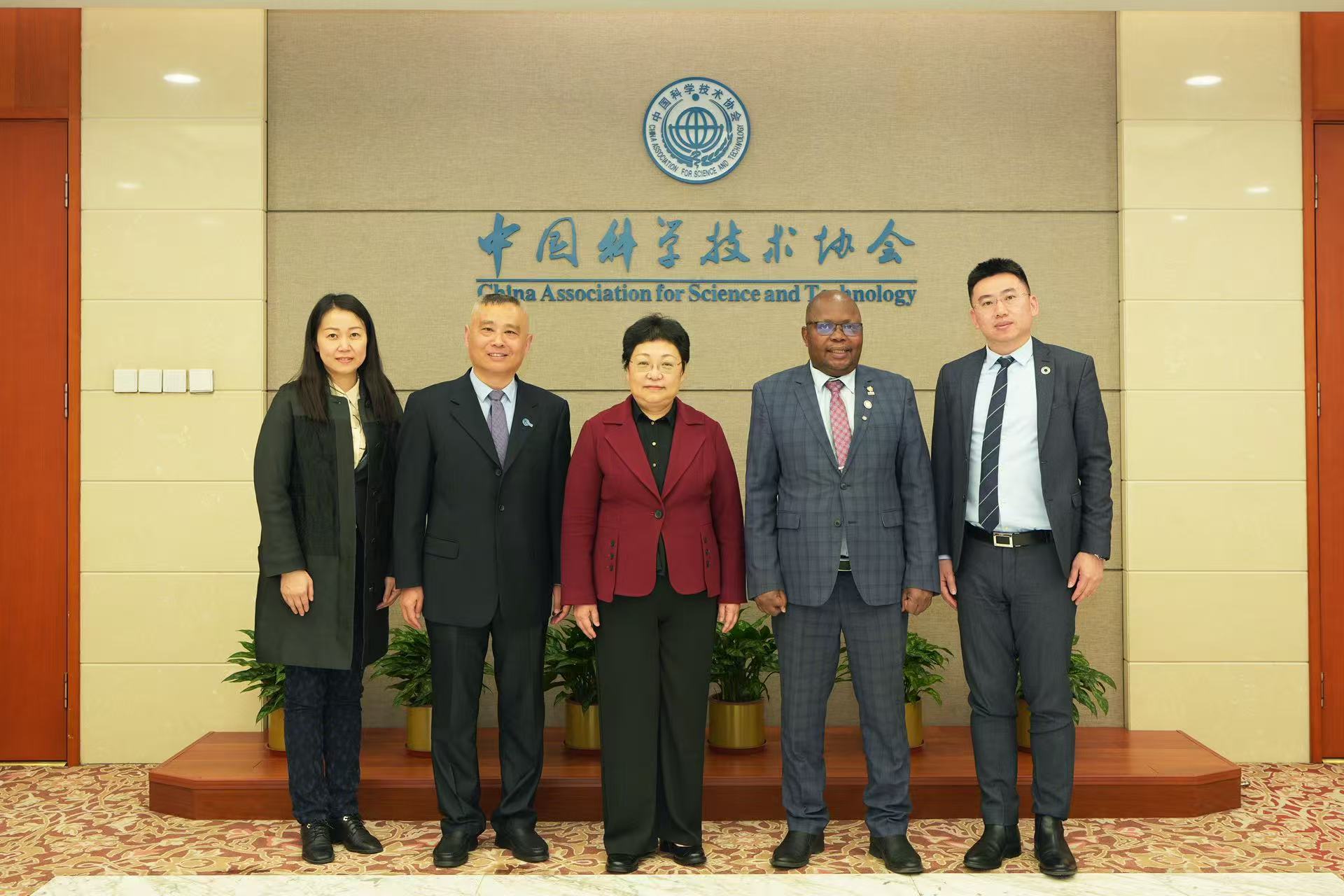
On 9-10 April 2025, Eng. Dr. Martin Manuhwa, Chair of the WFEO CECB, officially visited CAST leadership in Beijing and met with ECBAP IPO staff in Tianjin, exploring enhanced cooperation in facilitating China-Africa engineer exchanges and CPD trainings for mutual benefits.
ECBAP Participation at the 2025 UN STI Forum
On 7-8 May 2025, ECBAP was presented at both the main session on STI capacity building and multiple side events of the 10th UN STI Forum in New York by President Eng. Mustafa Shehu, together with Eng. Dr. Martin Manuhwa and Prof. Gong Ke.
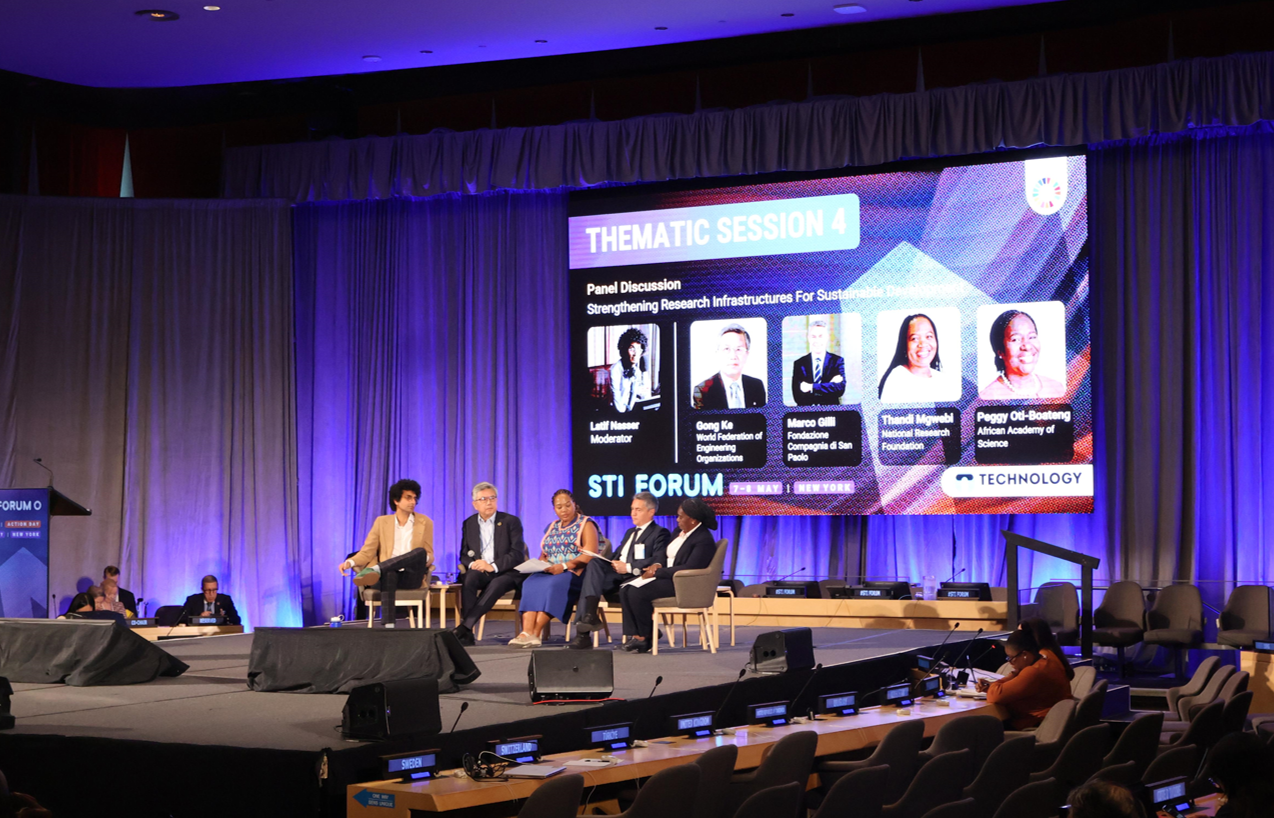
ECBAP also held discussions with UN bodies, China’s Permanent Mission, FAO, IEEE, and others, reaching consensus on future collaboration. ECBAP was widely recognized at the forum as a practical model for digital capacity building and sustainable development.
Partnerships Building and Global Recognition
Strategic partnerships have been established with organizations including:
- United Nations Educational, Scientific and Cultural Organization (UNESCO),
- United Nations Department of Economic and Social Affairs (UNDESA),
- United Nations Industrial Development Organization (UNIDO),
- United Nations University (UNU),
- UN Environment Programme (UNEP),
- African Union (AU),
- African Academy of Sciences (AAS),
- Federation of African Engineering Organizations (FAEO), and
- Royal Academy of Engineering (RAEng).
A significant milestone was the recognition by UNESCO, which agreed to include ECBAP within the framework of the International Decade of Sciences for Sustainable Development.
ECBAP has also actively engaged with governments, academic institutions and industry partners on localization, joint training and engineer development, including engaging with H.E. Minister Paula Ingabire, Minister of ICT and Innovation, Republic of Rwanda and H.E. Minister Julius Mattai, Minister of Mines and Mineral Resources, Republic of Sierra Leone, International Research Center of Big Data For Sustainable Development Goals (CBAS) and Sany Group, participating in the 2025 World Economic Forum Annual meeting of New Champions, 2025 Belt and Road Conference on Science and Technology Exchange, 2025 China
Africa Economic and Trade Expo.
With training plans underway with the support of UN Agencies, governments, academic institutions, and industry partners, ECBAP reaffirms its commitment to supporting Africa’s engineers and engineering institutions in becoming a driving force for innovation, infrastructure development, and inclusive growth.
For more information:
WFEO-ECBAP Participation at the 2025 UN STI Forum
WFEO-CECB Chair Eng. Dr. Martin Manuhwa met with CAST Leadership and ECBAP IPO
WFEO-ECBAP Inaugural Steering Committee Meeting at UNESCO HQ